Selecting the right Pallet Sleeve Box for shipping can make a significant difference in logistics efficiency and product safety. These boxes offer versatile solutions for storage and transport. They are particularly effective for bulk items and sensitive goods. Understanding their design and features can greatly impact your shipping process.
When choosing a Pallet Sleeve Box, consider factors such as size, material, and weight capacity. Ensuring the box accommodates your products is crucial. Lightweight yet durable options can reduce shipping costs and improve handling efficiency. However, the choice is not always straightforward. Misjudging your requirements can lead to wasted resources and potential product damage.
Evaluating providers and testing different Pallet Sleeve Box types is essential. Look for reliable manufacturers with proven expertise. Be cautious of overly cheap options, as they may compromise quality. Each choice presents trade-offs that require careful reflection. Your decision should align with both your operational needs and the nature of your products.
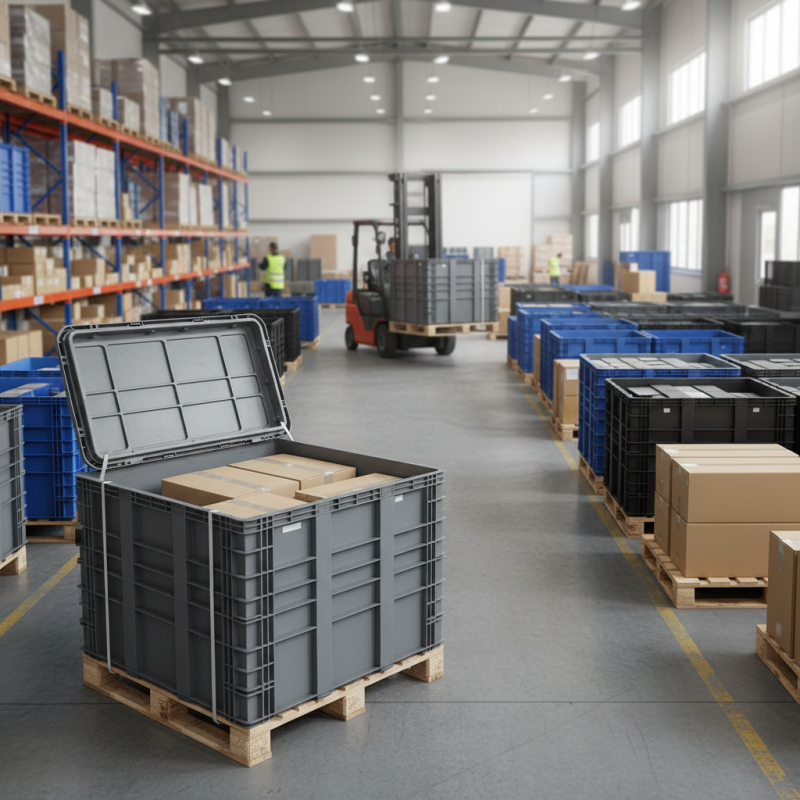
Pallet sleeve boxes are essential packaging solutions for shipping. They provide a sturdy structure for transporting products safely. These boxes can hold various items while optimizing space and weight during transport.
When selecting the right pallet sleeve box, understanding its purpose is crucial. The design ensures products remain secure while being stacked. This reduces damage during transit. Without proper knowledge, choosing the wrong size can lead to inefficiencies. A mismatched box might not support the weight or dimensions of the items you are shipping.
Tips: Always measure your products before selecting a box. Consider the weight distribution to avoid overloading one end. Test the fit with a sample shipment to confirm it meets your needs. Choosing the right box can save costs on shipping and protect your items. Remember, not all boxes serve the same purpose. Reflect on past shipping experiences; adjust your preferences accordingly. This attention to detail makes a significant difference in your logistics process.
| Dimension | Material | Weight Capacity | Size Options (L x W x H) | Usage |
|---|---|---|---|---|
| 1200 x 1000 mm | Corrugated cardboard | 500 kg | 1200 x 1000 x 800 mm | General shipping & storage |
| 1100 x 1100 mm | Plastic | 600 kg | 1100 x 1100 x 900 mm | Cold chain logistics |
| 1000 x 800 mm | Recycled paper | 400 kg | 1000 x 800 x 700 mm | E-commerce shipping |
| 1200 x 800 mm | Wood | 800 kg | 1200 x 800 x 1000 mm | Heavy machinery transport |
When selecting pallet sleeve boxes for shipping, several key factors come into play. The material of the box plays a crucial role in both durability and weight. Studies show that corrugated cardboard, for example, can withstand significant stress, making it a preferred choice for heavy items. However, it is essential to balance weight and strength. Lighter materials may reduce shipping costs but could compromise protection.
Another important factor is the size and dimensions of the sleeve box. According to industry reports, 78% of shipping experts emphasize the importance of fitting the box to the product size. Incorrect sizing can lead to shifting during transit, increasing the risk of damage. Understanding the load capacity is equally vital. Boxes designed to carry specific weight limits help improve safety and reduce potential losses.
It’s also necessary to consider environmental factors. With growing awareness of sustainability, choosing recyclable materials is increasingly valued. In fact, 50% of consumers prefer eco-friendly packaging. Balancing eco-friendliness with performance remains a challenge. Ultimately, the decision on which pallet sleeve box to use requires weighing multiple considerations, including material, fit, capacity, and sustainability.
When selecting pallet sleeve boxes for shipping, material types significantly influence efficiency. Commonly used materials include corrugated cardboard, plastic, and wood. Each has its unique properties that can affect durability, cost, and environmental impact.
Corrugated cardboard is lightweight and cost-effective. According to industry reports, it accounts for nearly 80% of the market share for shipping materials. However, it may not provide sufficient protection in extreme weather. Plastic offers greater durability and moisture resistance, making it suitable for diverse conditions. Studies indicate that companies using plastic sleeves often reduce damage by up to 30%.
Wooden sleeve boxes present an eco-friendly solution but can be heavy and expensive. They are usually reserved for special shipments. Yet, there are concerns regarding sustainability and return logistics. Many companies struggle to balance efficiency with environmental responsibility. Choosing the right material requires careful consideration of shipping conditions, budget constraints, and sustainability goals.
Choosing the best pallet sleeve box requires a close look at cost-effectiveness. Recent industry reports estimate that up to 30% of shipping costs stem from packaging. This statistic emphasizes the need for careful selection in pallet sleeve boxes. A well-designed sleeve box can enhance space utilization and minimize shipping expenses.
Cost is not just about the purchase price. Consider the long-term savings from using durable materials. A study indicated that stronger boxes lead to less damage during transit, potentially reducing costs linked to replacements. Moreover, opting for reusable sleeve boxes may yield savings on overall freight expenses.
Tips: Evaluate your shipping volume. Higher volumes can justify higher initial costs for better-quality boxes. Also, remember to factor in disposal costs. Some materials are not eco-friendly and could lead to additional expenses. Mindful selection can ultimately affect your bottom line.
When choosing pallet sleeve boxes for shipping, compliance and industry standards are crucial. Proper packaging not only protects products but also adheres to regulatory requirements. According to a study by the International Safe Transit Association, approximately 30% of products are damaged due to inadequate packaging. This statistic emphasizes the need for robust packaging solutions.
Many industries follow specific guidelines. For instance, the ASTM D5118 standard addresses the performance of container materials in shipping. Companies must ensure that their packaging meets these standards to minimize damage. Additionally, using recyclable materials is increasingly important. The Ellen MacArthur Foundation reports that over 80% of consumers prefer brands that prioritize sustainability.
Compliance impacts logistics efficiency as well. Packaging that meets regulatory standards can streamline shipping processes. Yet, improper packaging can lead to delays and increased costs. Organizations must regularly evaluate their packaging methods. This ongoing assessment can reveal gaps in their compliance strategy. A transparent and adaptable approach is vital in today’s dynamic shipping environment.
The following chart illustrates the compliance standards and ratings for different types of pallet sleeve boxes used in shipping. It highlights the overall performance based on factors such as durability, cost-effectiveness, and regulatory compliance for 2026.
: The most common materials are corrugated cardboard, plastic, and wood.
It is lightweight, cost-effective, and occupies a large market share.
It may not provide adequate protection under extreme weather conditions.
Plastic offers better durability and moisture resistance, reducing damage by up to 30%.
Yes, they are eco-friendly but can be heavy and costly.
Companies must comply with industry standards like ASTM D5118 to avoid damage.
Proper compliance can streamline processes, while improper packaging can cause delays.
Regular evaluation of packaging methods can reveal compliance gaps.
Over 80% of consumers prefer sustainable options, impacting brand perception.
Balancing efficiency and sustainability remains a common struggle.
In the article "2026 How to Choose the Best Pallet Sleeve Box for Shipping?", the focus is on understanding what pallet sleeve boxes are and their essential role in shipping logistics. Pallet sleeve boxes are designed to enhance packaging efficiency while protecting goods during transit. When selecting the right pallet sleeve box for your shipping needs, key factors such as material types, structural integrity, and shipping efficiency must be considered.
Moreover, evaluating the cost-effectiveness of various pallet sleeve box options ensures that companies can achieve optimal balance between quality and expense. Compliance with industry standards and regulations is also crucial for ensuring safety and reliability in packaging solutions. By considering these elements, businesses can choose pallet sleeve boxes that best fit their operational requirements and enhance overall shipping efficiency.

Huiyuan Plastic