In today’s fast-paced logistics and supply chain industry, efficiency is key. The Foldable Pallet Container has emerged as a game-changer. These versatile containers offer a wealth of benefits that can significantly enhance operations. They are designed for easy storage and transport, saving valuable space and reducing shipping costs.
One of the standout features of a Foldable Pallet Container is its ability to collapse when not in use. This function minimizes clutter and optimizes warehouse space. Not only does it help in maintaining organization, but it also allows businesses to adapt quickly to changing demands. In a world where consumer expectations are high, this adaptability is invaluable.
Moreover, the durability of these containers adds to their appeal. Made from robust materials, they can withstand various conditions, ensuring product safety. However, not every company uses them effectively. Some underestimate their potential, leading to inefficiencies. By exploring the top benefits of Foldable Pallet Containers, businesses can make informed choices that enhance productivity and sustainability.
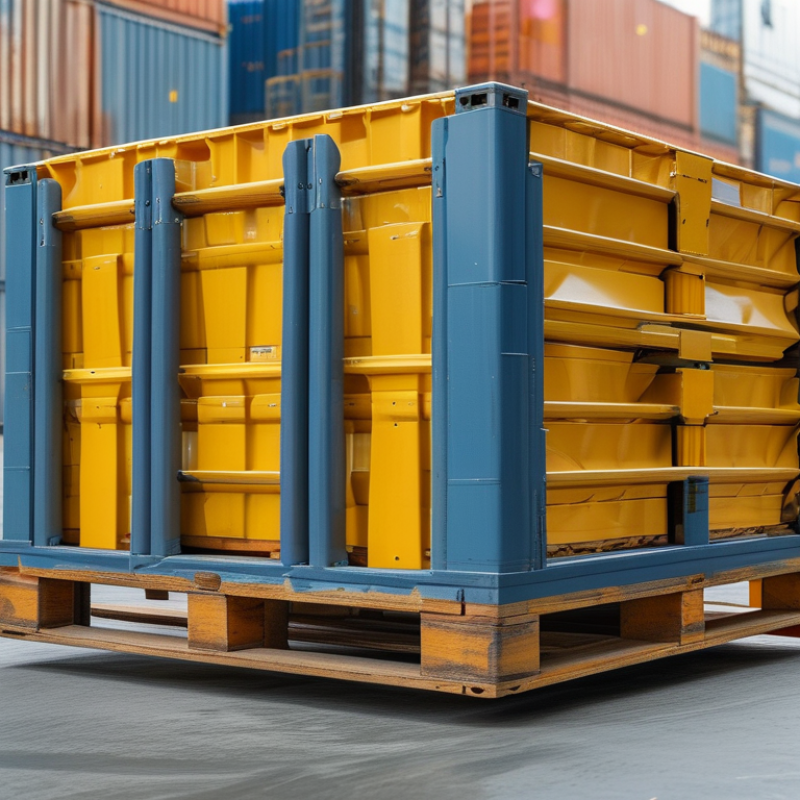
Benefits of Foldable Pallet Containers for Supply Chain Efficiency
Foldable pallet containers are transforming supply chain efficiency. These containers are designed to save space when not in use. Companies can stack them easily, maximizing storage capabilities. This feature cuts down on transportation costs significantly. A more compact design means fewer trips and reduced fuel usage.
In addition to space savings, these containers enhance handling efficiency. Workers can move them easily, thanks to their lightweight material. This reduces strain and risk of injury. Furthermore, they often come with built-in safety features. However, relying solely on these benefits may overlook potential downsides. For example, not all foldable designs are durable under heavy loads.
Sustainability is another crucial aspect. Foldable pallet containers are reusable, reducing waste. They often have a longer lifespan compared to traditional pallets. Some companies face challenges in standardizing their use across different regions. Consistent training and adaptation are needed, but these challenges can result in greater long-term benefits.
Cost Savings Through Reduced Shipping and Storage Costs
Foldable pallet containers are gaining popularity in supply chain management. One significant benefit is cost savings through reduced shipping and storage costs. These containers can be collapsed when not in use, allowing for efficient storage. This feature significantly decreases the space required in warehouses.
Many businesses see lower shipping costs as well. Foldable containers occupy less space in transport, allowing for more units per shipment. This efficient use of space can lead to fewer trips, ultimately saving fuel and reducing delivery times. Streamlining your logistics with these containers can boost your bottom line.
Tip: Regularly assess the size and type of containers you use. Different products may require adjusted strategies. Evaluate if switching to foldable options could reduce costs.
It's essential to consider the long-term implications of switching. Some users report initial hesitance due to the upfront investment in foldable containers. However, the potential savings in shipping and storage can offset these costs. Ensure your team is trained properly to maximize the benefits of using these containers.
Enhanced Sustainability with Reusable and Recyclable Materials
In recent years, the push for sustainability has become urgent. Foldable pallet containers play a significant role in this transition. They are made from reusable and recyclable materials, thus reducing waste in logistics. According to a report by the Environmental Protection Agency, reusable containers can decrease carbon emissions by up to 40%. This not only benefits business practices but also helps the environment.
These containers are not just eco-friendly; they can also lead to cost savings. Their design allows for easy storage, reducing the need for excess space. Additionally, the durability of these materials ensures they last longer and require fewer replacements. A study from the Packaging Association indicates that using foldable containers can cut packaging costs by 20%. Companies can improve their sustainability profile while enjoying financial advantages.
While the benefits are clear, challenges still exist. Transitioning to foldable containers requires upfront investment and employee training. Some industries may resist change due to established practices. However, the long-term advantages of reduced waste and improved resource management cannot be overlooked. Embracing these containers could be a crucial step toward a more sustainable future in logistics.
Top 10 Benefits of Using Foldable Pallet Containers
| Benefit |
Description |
Sustainability Impact |
Cost Savings |
| Space Efficiency |
Foldable design allows for compact storage when not in use. |
Reduces carbon footprint by optimizing storage space. |
Minimizes transportation costs due to more efficient stacking. |
| Durability |
Made from strong materials that withstand heavy loads. |
Longer lifespan reduces the need for replacements. |
Lower replacement costs enhance economic efficiency. |
| Reusability |
Can be reused multiple times across different shipments. |
Reduces waste generation significantly. |
Decreases overall packaging expenses. |
| Lightweight |
Designed to be lightweight without sacrificing strength. |
Lower energy use during shipping and handling. |
Reduces shipping costs due to lower weight. |
| Recyclable Materials |
Manufactured from recyclable plastics or composites. |
Contributes to a circular economy. |
Potential savings from recycling initiatives. |
| Reduced Labor Costs |
Easy to handle and transport, minimizing manual effort. |
Less strain on workers enhances operational efficiency. |
Saves costs on labor over time. |
| Versatility |
Suitable for various products and industries. |
Promotes sustainable practices across sectors. |
Cost-effective solution for diverse applications. |
| Safety Features |
Designed with safety in mind, reducing accidents. |
Enhances worker safety and reduces liability. |
Less cost attributed to workplace incidents. |
| Brand Reputation |
Aligns with growing environmental sustainability trends. |
Improves public perception and reduces environmental impact. |
Potential increase in customer loyalty and sales. |
Improved Inventory Management and Space Utilization Strategies
Foldable pallet containers bring significant changes to inventory management. Their design allows businesses to maximize storage space, adapting to varying warehouse layouts. When pallets are not in use, they can collapse flat, freeing up valuable space. This adaptability helps companies manage fluctuating inventory levels more efficiently.
Moreover, using these containers enhances organization within storage areas. They can be easily labeled, making it simple to locate products. Streamlined inventory processes reduce searching time, boosting productivity. However, despite these benefits, some companies find it challenging to transition to foldable systems. Change can be daunting, and staff training may take time. This adjustment period requires understanding and patience.
Foldable pallet containers also contribute to sustainability efforts. Their reusability reduces waste, aligning with eco-friendly goals. Yet, not every company may recognize this advantage initially. A shift in mindset about packaging can be necessary. The potential for improved space utilization and efficient inventory management is clear, but implementing such changes can be a journey.
Increased Safety and Ergonomics in Handling and Transport Processes
Foldable pallet containers offer notable advantages, particularly in enhancing safety and ergonomics during handling and transport. When employees work with these containers, the risk of injury decreases significantly. They are lightweight yet sturdy, reducing strain on workers. This design allows for easier lifting and moving, contributing to a healthier work environment.
Proper ergonomics is essential. Ensure that containers are not overloaded, as this can lead to accidents. When stacking, follow guidelines for maximum height. This protects both the workers and the products. A well-organized workspace needs proper training on how to handle these containers safely.
Consider implementing regular safety audits. Check if the containers are in good condition. Damaged containers can lead to spills or accidents. Encourage employees to report wear and tear. Addressing these issues can prevent potential injuries. Reinforcing a safety-first culture enhances overall morale and productivity.
Conclusion
Foldable pallet containers are becoming increasingly important in modern supply chain management due to their numerous benefits. They significantly enhance supply chain efficiency by optimizing storage and transportation processes. Cost savings are achieved through reduced shipping and storage costs, as these containers can be collapsed when not in use, allowing for more efficient use of space. Additionally, their reusable and recyclable nature supports sustainability efforts, contributing to an eco-friendly approach in logistics.
Beyond cost and sustainability, foldable pallet containers improve inventory management by allowing better space utilization strategies. This leads to organized storage and easy access to products. Moreover, they enhance safety and ergonomics during handling and transport, which minimizes the risk of injuries and improves overall operational efficiency. In summary, the adoption of foldable pallet containers can lead to substantial benefits in cost-effectiveness, sustainability, and safety within the supply chain.

 Huiyuan Plastic