Choosing the right folding pallet is crucial for efficient logistics. According to the Material Handling Institute, approximately 70% of companies report issues with pallet management. This shows that selecting the ideal folding pallet can directly impact a company's bottom line.
Many factors come into play when making this decision. For instance, a folding pallet’s weight capacity, durability, and ease of handling are vital. Industry data from the Pallet Industry Federation indicates that using the wrong type of pallet can lead to product damage. It's essential to consider how often you’ll use the pallet and the types of goods it will support.
Moreover, while various options exist, not every solution fits every scenario. Some folding pallets may seem cheaper upfront but lack longevity. This could result in higher replacement costs. Investing in a reliable folding pallet tailored to your specific needs can save time, money, and frustration in the long run.
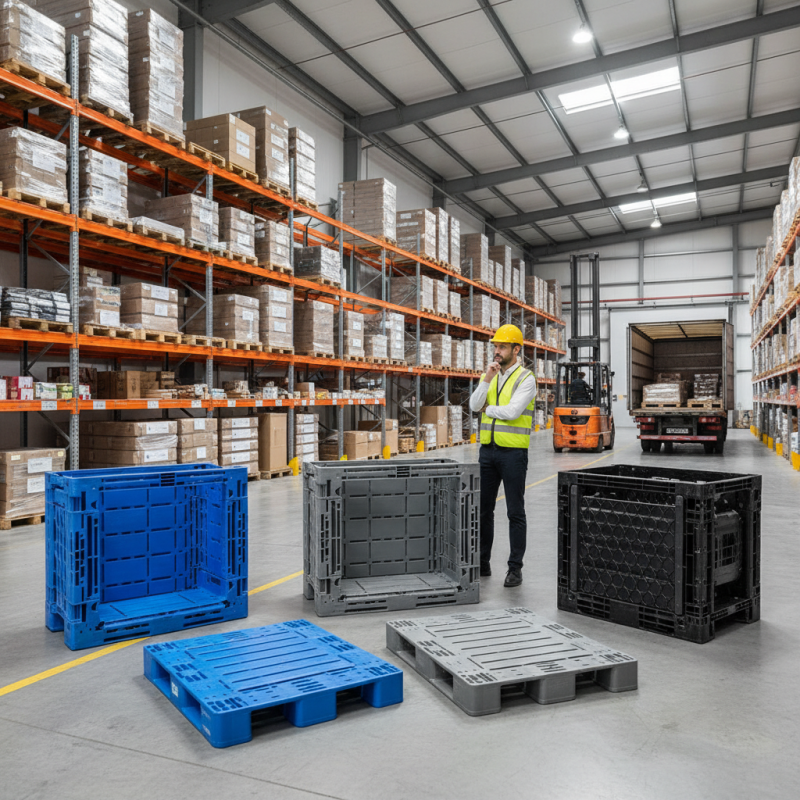
Folding pallets play a crucial role in logistics and storage. They enhance efficiency, reduce transportation costs, and save space. According to industry reports, the global folding pallet market is projected to surpass $2 billion by 2026. This growth highlights their importance in supply chains across various sectors.
Understanding your needs is vital when selecting a folding pallet. Assess your storage conditions, weight capacity requirements, and future scalability. A 2022 survey by Logistics Management revealed that 70% of companies prioritize flexibility in their material handling equipment. Flexibility allows businesses to adapt swiftly to market changes.
Remember these tips while choosing. Measure the available space before selecting a pallet size. Consider the pallet's durability; high-quality materials increase longevity. Regular inspections can identify wear and tear, prompting timely replacements. Balancing cost and quality is critical, as it directly impacts overall efficiency.
This chart displays the relative importance of various factors to consider when selecting folding pallets for logistics and storage. The data is based on industry standards and common practices.
When selecting a folding pallet, material options are crucial for durability and weight capacity. Common materials include wood, plastic, and metal, each with distinct benefits. According to a recent report from the Material Handling Industry, plastic pallets tend to have superior weight capacity compared to wood. They generally support heavier loads while being lighter, making them easier to handle.
Wooden pallets are sturdy but can be susceptible to moisture damage. Their lifespan, on average, is about five years, while high-quality plastic pallets can last up to ten years. However, not all plastics are created equal. Certain types, like high-density polyethylene (HDPE), offer better durability and resistance to chemicals. Look at data from the National Wooden Pallet and Container Association, which indicates that wood provides excellent compressive strength but can warp over time.
Metal pallets offer unparalleled strength but often come with a higher price tag and weight. They are ideal for heavy-duty situations, especially in industrial settings. However, their weight can make them cumbersome. Many companies now opt for a mixed-material approach, combining the strengths of each type. This trend reflects growing awareness in logistics efficiency and environmental sustainability, making it a point of consideration in material evaluation. Balancing cost, durability, and weight is essential for choosing the right folding pallet.
When choosing a folding pallet, understanding the load capacity and size requirements is crucial. According to industry reports, proper load assessments lead to improved warehouse efficiency. Load capacity often ranges from 1,000 to 2,500 pounds based on materials and design. Think about your specific needs before making a decision.
Tip: Measure the dimensions of your merchandise. Knowing the height, width, and length helps avoid mismatches. It's essential to consider the pallet's footprint in relation to your storage space. Many users overlook this aspect. A pallet that is too large can compromise space utility.
Then, think about the weight distribution. Uneven loads can lead to accidents or damage. A survey from the National Institute for Occupational Safety and Health suggests that many workplace injuries stem from poorly managed loads. Regularly assess your requirements. Limits change as new products come in or out. Flexibility is key in pallet management.
Tip: Always evaluate your current and future inventory needs. Proper forecasting will save you from costly mistakes in the long run. Balancing capacity with size ensures operational effectiveness. Be prepared to adapt and adjust based on shifting demands.
When considering folding pallets, design features play a crucial role in ease of use and mobility. Research indicates that over 70% of logistics professionals prioritize pallet weight and maneuverability in their selection process. A well-designed pallet should not only support substantial weight but also be lightweight enough for easy handling. Options that weigh around 20-30% less than traditional pallets can drastically improve efficiency during transport and storage. Adopting such pallets can lead to a notable reduction in workplace injuries.
Another key aspect is the adaptability of the folding pallet’s design. Features like collapsible sides and ergonomic handles can significantly enhance usability. A recent industry survey revealed that pallets with ergonomic designs reduce strain on workers by up to 40%. This is particularly vital in environments where pallets are frequently moved or stacked. However, some designs may compromise stability for lightweight options. It’s essential to find a balance. Careful consideration of the materials used in construction, such as high-density polyethylene or aluminum, contributes to both durability and portability.
Looking at mobility, wheels are integral. Pallets equipped with swivel casters increase maneuverability in tight spaces. However, strong casters should not be overlooked as they can bear weight without failure. In practice, the challenge remains in maintaining a lightweight feature without sacrificing durability. This balance is key to selecting the right folding pallet for dynamic work environments. The right design can lead to increased productivity and worker satisfaction, but finding that perfect fit requires diligence and awareness of potential limitations.
When analyzing the cost-effectiveness of folding pallets, consider their durability. A sturdy folding pallet may have a higher initial cost, but it often pays off in the long run. These pallets can withstand heavy loads without deteriorating quickly. Evaluate the materials used and their potential lifespan. Premium materials can reduce replacements over time.
Also, think about storage efficiency. Folding pallets save significant space when not in use. This is particularly valuable for businesses with limited storage capacity. The more pallets you can store compactly, the less you need to spend on warehousing.
Don't overlook maintenance costs. Some pallets require little upkeep, while others might need frequent repairs. A model that seems affordable might become expensive due to ongoing maintenance. Carefully weigh these factors against short-term savings. Reflect on your long-term needs and choose a folding pallet that balances initial investment with sustained value.
| Tip | Consideration | Cost-Effectiveness | Long-Term Value |
|---|---|---|---|
| Material Selection | Choose durable and lightweight materials | Higher initial cost but reduces transport costs | Increases lifespan and reduces replacement frequency |
| Load Capacity | Understand the maximum weight your pallets can handle | Right capacity avoids damage or overflow costs | Enhances safety and reduces liability risks |
| Size and Dimensions | Match pallet size with your storage and transport needs | Optimizes space usage, reducing handling costs | Increases efficiency in logistics operations |
| Stackability | Choose pallets that can be nested or stacked efficiently | Saves storage space, reducing overhead costs | Enhances organization and ease of access |
| Ease of Handling | Consider pallets that allow for easy pickup and transport | Reduces labor costs and time spent on loading/unloading | Improves workforce efficiency and reduces fatigue |
| Environmental Impact | Evaluate the recyclability and sustainability of the materials | Potential cost savings from eco-friendly practices | Boosts brand image and customer loyalty |
| Price Versus Performance | Assess whether the pallet price matches its features | Investing more can lead to better ROI through durability | Long-term savings from fewer repairs/replacements |
: Folding pallets enhance efficiency, reduce costs, and save storage space. They are vital in logistics.
Assess your storage needs, weight capacity, and scalability. Measure available space before making a decision.
Common materials include wood, plastic, and metal. Each has specific benefits based on durability and weight capacity.
Load capacities typically range from 1,000 to 2,500 pounds. Consider your specific requirements for optimal selection.
Regular inspections help identify wear and tear. This can lead to timely replacements, ensuring safety and efficiency.
Flexibility allows businesses to adapt to market changes. Many companies prioritize it in material handling equipment.
Don’t overlook the pallet’s footprint. A size mismatch can waste valuable storage space.
Uneven loads can cause accidents and damage. Proper weight distribution is crucial for safety.
Regularly assess and adjust your inventory needs. Flexibility and proper forecasting will help avoid costly errors.
This approach combines wood, plastic, and metal strengths. It reflects growing awareness of logistics efficiency and sustainability.
When selecting the right folding pallet, it is crucial to understand their role in logistics and storage. Folding pallets are designed to provide versatile solutions for transporting and storing goods efficiently. Evaluating the material options is essential for ensuring durability and meeting weight capacity requirements, while assessing the appropriate load capacity and size will directly influence operational efficiency.
Additionally, considering design features that enhance usability and mobility can significantly impact workflow. Finally, a thorough analysis of cost-effectiveness and the long-term value of folding pallets will help make an informed decision that aligns with budgetary goals. By focusing on these key aspects, you can choose a folding pallet that meets your specific needs effectively.

Huiyuan Plastic