In the logistics and shipping industry, choosing the right Pallet Boxes is crucial. Experts such as John Smith, a well-known figure in packaging solutions, emphasizes, "The right pallet box can significantly improve efficiency." Pallet Boxes are designed for easy handling and storage, helping businesses transport goods safely.
Various materials and sizes are available, making it essential to assess your specific needs. Consider factors like weight capacity, durability, and whether you require stackable or collapsible designs. This selection process can feel overwhelming. However, each decision contributes to your operational efficiency.
Understanding these key elements is vital. It’s not just about picking a box; it's choosing a solution that enhances your supply chain. Reflecting on your choices can lead to better outcomes in the long run. The right Pallet Box not only protects your products but also streamlines your logistics.
What is a Pallet Box? Definition and Key Characteristics
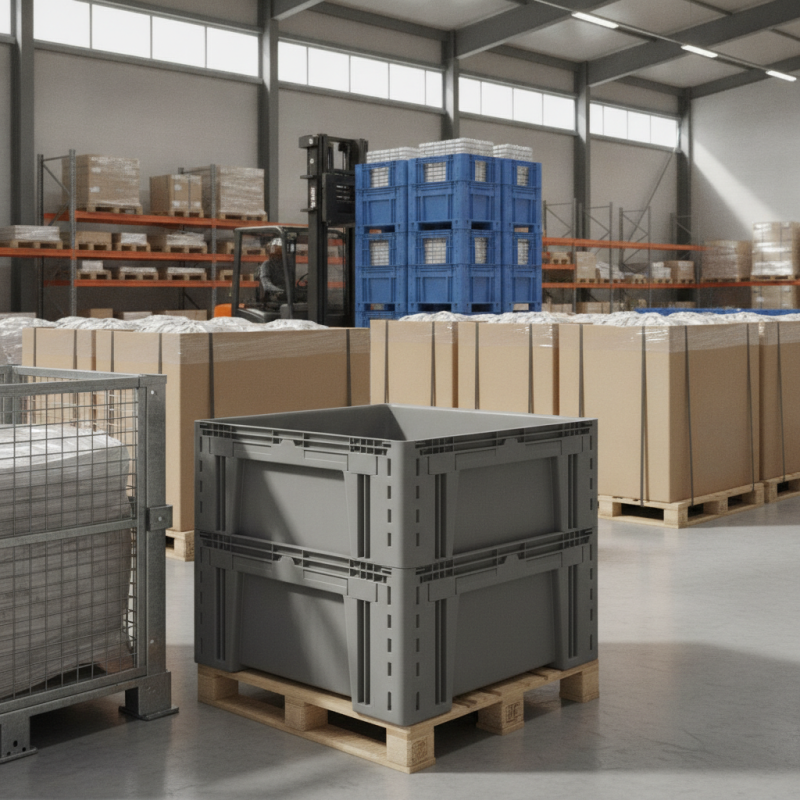
Pallet boxes are essential in numerous industries. They offer a practical solution for storage and transportation needs. Defined as large containers made from various materials, pallet boxes help in efficiently moving goods. They can be crafted from plastic, metal, or wood. Each material has unique benefits and can affect durability and cost.
Key characteristics of pallet boxes include stackability, strength, and load capacity. According to industry reports, stacking capabilities can optimize space by up to 80%. This is crucial in warehouses where space is limited. Additionally, the ability to bear heavy loads varies with designs. Metal pallet boxes often outperform plastic in terms of weight tolerance.
Tip: Always assess your specific needs before choosing a pallet box. Consider factors such as the nature of the goods and transportation.
The choice of material influences both functionality and budget. Reports indicate that businesses can save up to 30% on shipping costs by using lightweight plastic boxes. Reflect on how material impacts the environment as well.
Tip: Always ensure your chosen pallet box complies with industry standards. This can significantly reduce risks during shipping.
Types of Pallet Boxes: Material Options and Their Applications
Pallet boxes come in various materials, each with its unique benefits. Wooden pallet boxes are popular for their strength and durability. They are often used in agricultural settings. However, wood can be prone to pests and rot. Choosing wood means considering maintenance and lifespan.
Plastic pallet boxes offer lightweight options, making them easy to handle. They are resistant to moisture and chemicals, ideal for food and pharmaceutical applications. Yet, not all plastic types can withstand heavy loads, so it is crucial to assess your specific needs.
Metal pallet boxes provide robustness and a long service life. They are perfect for industrial use, especially for transporting heavy machinery. However, they can be heavier and more expensive. It’s essential to weigh the cost against the expected durability. Each material has its strengths and weaknesses, so reflecting on your application is vital.
Key Advantages of Using Pallet Boxes in Supply Chain Management
Pallet boxes offer significant advantages in supply chain management. These containers enhance efficiency in storing and transporting goods. They are designed for heavy loads, making them ideal for warehouses and distribution centers. Their sturdy construction helps prevent damage during transit. This reliability is key in maintaining product integrity.
Using pallet boxes can also streamline storage processes. They are stackable, which maximizes space utilization. This is especially beneficial in environments with limited floor space. Additionally, their uniform size makes them compatible with standard forklifts and pallet jacks, simplifying handling procedures. However, proper selection is necessary to ensure they meet specific operational needs.
Despite the advantages, there are challenges. Poorly designed pallet boxes can lead to inefficiencies. It's essential to evaluate materials and dimensions carefully. Not every pallet box suits every product. A wrong choice can increase costs and affect logistics. Balancing durability with flexibility is crucial. Companies should periodically reassess their pallet box needs to adapt to changing demands.
Key Advantages of Using Pallet Boxes in Supply Chain Management
Factors to Consider When Choosing the Right Pallet Box for Your Needs
When selecting a pallet box, consider its material. Common options include plastic, wood, and metal. Each material affects durability and weight capacity. A study by the National Wooden Pallet and Container Association shows that wooden pallets are cost-effective and have a good weight ratio. However, they may not endure moisture well compared to plastic options. Plastic pallet boxes can withstand various environmental conditions and are reusable. This versatility can be advantageous for many businesses.
Another crucial factor is size. The right dimensions depend on your storage space and transport needs. According to a report from the Association for Plastic Recyclers, pallet boxes come in standard sizes that fit most shipping methods. This standardization helps reduce logistics costs. Ensure the pallet box height suits your warehouse racking systems. Oversized options may not fit, while too small units waste space.
Consider the load capacity and stacking strength as well. An ideal pallet box must support the weight of your products. Research shows that improperly chosen boxes can lead to product loss during transit. Evaluate your storage and shipping conditions carefully. Reflect on your choices based on specific needs. This reflection is essential to avoid future complications.
Industry Standards and Regulations Affecting Pallet Box Selection
When selecting a pallet box, industry standards and regulations play a crucial role. These guidelines ensure safety and efficiency in transportation and storage. Compliance with standards, such as those set by organizations like ASTM or ISO, is essential. They dictate the materials, dimensions, and weight capacities of pallet boxes. Adhering to these regulations is not just about legality; it's about maintaining quality in logistics.
Understanding the specific needs of your industry is vital. Different sectors have unique requirements based on their products. For instance, food-grade materials may be necessary in food storage. Compliance with health regulations is non-negotiable. Similarly, pharmaceutical companies must adhere to strict quality controls. Ignoring these details can lead to costly mistakes.
It’s important to regularly review standards. Changes can happen, and staying informed is crucial. A box that met standards last year may not do so today. A proactive approach can enhance reliability. Engaging with industry experts can provide insights into upcoming changes. Regular training for staff ensures everyone is on the same page. Failure to adapt can impact efficiency and safety.
FAQS
: Pallet boxes are large containers used for storing and transporting goods. They are made from plastic, metal, or wood.
Key features include stackability, strength, and load capacity. They can optimize space in warehouses significantly.
They enhance efficiency by protecting goods and streamlining storage processes. Their sturdy design prevents damage during transit.
The material affects functionality and budget. Lightweight options can save shipping costs but consider environmental impact too.
Assess your specific needs, such as product nature and transportation methods. Choosing the wrong box can increase costs.
Yes, compliance with standards ensures safety and efficiency. Regulations dictate materials and weight capacities for various industries.
Regular reviews are necessary. Standards change over time, and staying updated enhances reliability in logistics operations.
Poorly designed boxes can lead to inefficiencies. Evaluate materials and dimensions carefully to avoid increased costs.
Stackable pallet boxes can optimize warehouse space by up to 80%. This is essential in facilities with limited floor space.
Ignoring regulations can lead to costly mistakes. Compliance is crucial for maintaining quality and safety during transportation.
Conclusion
Pallet boxes are specialized containers designed for storing and transporting goods efficiently within supply chains. They are characterized by their robust structure and suitability for handling a variety of materials, making them an essential tool for many industries. Various types of pallet boxes are available, crafted from different materials such as wood, plastic, and metal, each offering unique advantages depending on the application.
When selecting the right pallet box, several factors must be considered, including load capacity, durability, and compliance with industry standards and regulations. The key benefits of using pallet boxes in supply chain management include improved organization, protection of goods during transit, and enhanced space utilization. By understanding the different types of pallet boxes and their specific applications, businesses can make informed decisions that optimize their logistics and storage solutions.

 Huiyuan Plastic