In the ever-evolving landscape of packaging solutions, choosing the right Corrugated PP Box is crucial. Industry expert Dr. Emily Tran notes, "Selecting the right material can significantly affect shipping efficiency." With her years of experience, she emphasizes the importance of understanding your specific needs.
When considering a Corrugated PP Box, factors like durability, size, and design play vital roles. The right choice can enhance product protection during transit and storage. However, not all boxes are created equal. It’s essential to reflect on your requirements before making a decision.
Many businesses overlook the potential of high-quality materials. A well-made Corrugated PP Box can improve cost-effectiveness and reduce waste. Yet, the market is saturated with options, which can be overwhelming. Making an informed choice requires careful evaluation and awareness of your unique packaging demands.
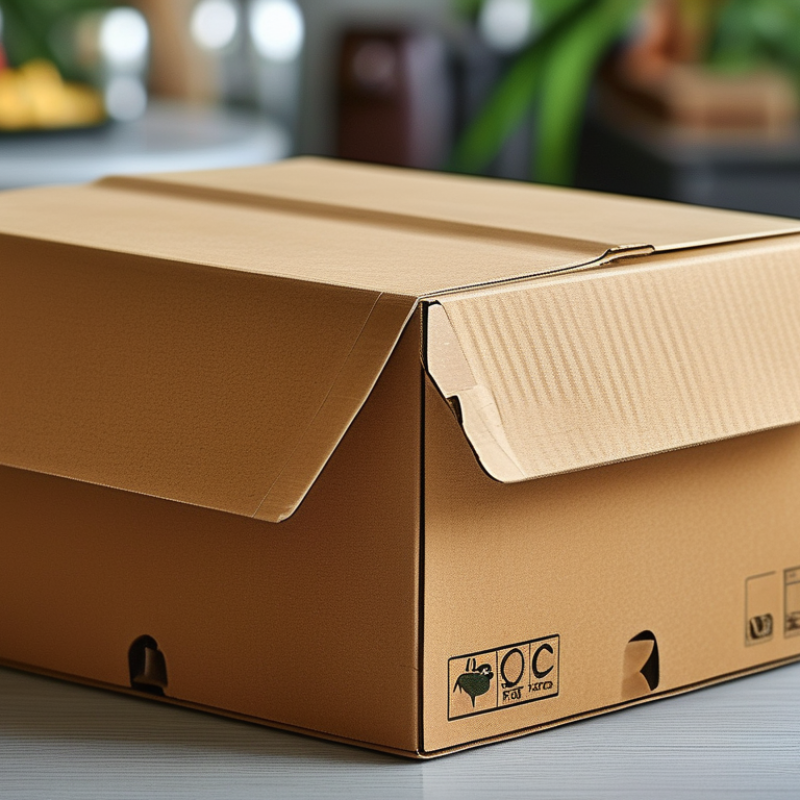
Corrugated PP boxes are becoming a popular choice across various industries due to their lightweight and durable nature. They are made from polypropylene, a material recognized for its resistance to moisture and chemicals. Industry reports suggest that the demand for PP boxes is increasing at an annual growth rate of 5.8%. This trend can be attributed to their versatility in packaging solutions for both consumer goods and industrial applications.
Many businesses utilize corrugated PP boxes for shipping and storage. Their structure allows for better stacking and minimizes damage during transport. Additionally, they can be customized to fit specific dimensions, which saves space and reduces shipping costs. A study found that well-designed packaging can reduce shipping costs by up to 20%. However, choosing the right box requires careful consideration of the application and product specifications.
Despite their advantages, not every application is suitable for corrugated PP boxes. Some products may require more robust protection. It's crucial to assess factors like weight, fragility, and environmental conditions before making a decision. Some companies report challenges in finding the right supplier, which can lead to delays and increased costs. Careful evaluation of options is essential to avoid potential pitfalls.
: Consider box dimensions first. Size affects protection and prevents damage during transit.
Material quality determines durability. Choose heavy-duty boxes for heavier items, and standard for lighter goods.
Customization meets specific needs for shipping, storage, or display. Tailoring enhances functionality and effectiveness.
Adding handles can boost convenience. However, complex designs might increase costs and flaws.
Colors and prints make packaging visually appealing. They help in branding and attract customer attention.
Weight affects shipping costs. A heavier box might not be practical for all items.
Review dimensions and weight carefully. Minor details can significantly impact performance.
An ideal fit ensures products are secured. Too tight can cause damage; too loose wastes space.
Yes, more features can lead to higher costs. Balance functionality with your budget.
No, not all grades are equal. Choose the right grade based on product requirements and environmental factors.
When choosing a corrugated PP box for your needs, it is essential to understand the basics and various applications of these versatile containers. Key factors to consider include the intended use, the environment in which the box will be utilized, and the specific requirements for durability and weight capacity. Evaluating these elements ensures that the chosen box will meet your operational demands effectively.
Moreover, customization options can enhance the functionality of corrugated PP boxes, allowing for better fit and branding opportunities. Finally, conducting a comparative cost analysis among different suppliers can help identify the best value for your investment. By carefully considering these aspects, you can make an informed decision that aligns with your logistical needs and budget constraints.

 Huiyuan Plastic