China has become a major sourcing base for reusable logistics packaging. Its manufacturing clusters support injection molding, tooling, printing, and export services. This makes China an important market for Plastic Foldable Box buyers.
Industry reports offer useful context. Smithers’ The Future of Sustainable Packaging to 2028 identifies reusable packaging as a growing solution for reducing single-use material and improving transport efficiency. Mordor Intelligence also highlights rising demand for reusable packaging across retail, automotive, food, and warehouse operations. These trends support wider adoption of foldable plastic containers, especially where empty-return space matters.
Space savings matter.
A folded box can reduce warehouse volume and transport costs. However, performance depends on more than appearance. Buyers should examine resin type, hinge strength, wall thickness, folding cycles, load capacity, and temperature resistance. A supplier’s factory audit should include mold maintenance, incoming material checks, and documented quality testing. Clear evidence matters more than promotional claims.
This guide evaluates leading Chinese manufacturers through practical criteria. These include production capacity, customization experience, export records, certifications, sample quality, and after-sales communication. Product details also deserve attention. For example, a 600 × 400 millimeter box may suit standardized logistics systems, but stacking performance can change under uneven loads. Not every online ranking is reliable. Some lists may favor visibility over manufacturing capability. That limitation deserves careful reflection. Buyers should compare technical data, inspect samples, and request traceable test reports before selecting a long-term Plastic Foldable Box partner.
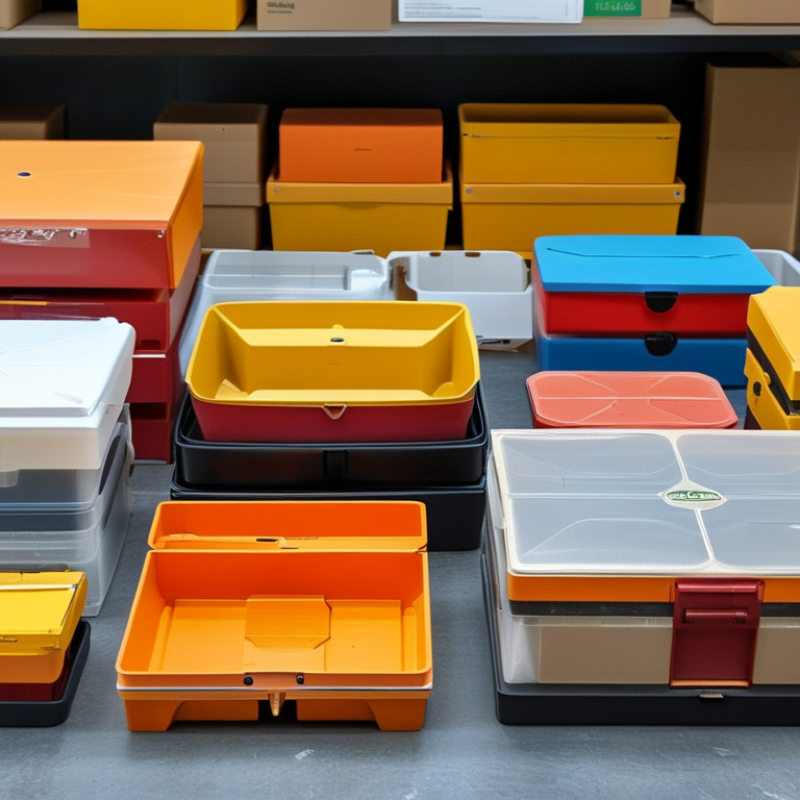
China Top Plastic Foldable Box Manufacturers?
Plastic foldable boxes are reusable storage containers with hinged or flexible sides. They collapse when empty and open into a firm box when needed. Most use durable polypropylene, known for its light weight and moisture resistance. A typical box may hold clothing, produce, tools, or warehouse parts. Ventilated holes can improve airflow, while solid walls protect dust-sensitive items.
From practical handling, the best design balances strength, weight, and storage space. Reinforced corners reduce damage during stacking. Locking lids help prevent shifting during transport. Smooth inner surfaces make cleaning easier, especially after contact with soil or grease. Size also matters. A box that is too deep may waste shelf space and strain workers during lifting. Some designs look strong, but their hinges may weaken after repeated folding. That point deserves honest testing.
Tips: Check the unfolded dimensions, folded height, load rating, hinge quality, and handle comfort. Test several folding cycles before placing a large order. Measure your shelves first. Do not trust appearance alone. Ask for material details and sample inspection records. A reliable manufacturer should explain production tolerances, compression testing, and quality checks clearly. Small differences in plastic thickness can change performance. Temperature also affects flexibility, so test boxes in the conditions where they will actually work.
China’s plastic foldable box industry combines high-volume molding with practical logistics design. Manufacturers commonly use polypropylene or high-density polyethylene for strength, flexibility, and moisture resistance. Many boxes fold flat when empty. This reduces warehouse volume and return-transport costs. A typical design includes reinforced corners, interlocking walls, and smooth hand holes. These details matter during repeated handling.
Quality-focused factories usually inspect wall thickness, hinge movement, stacking stability, and dimensional accuracy. They may test loaded boxes on pallets or run repeated folding cycles. Some suppliers also provide samples before mass production. This helps buyers check lid fit, surface finish, and actual load performance. Small changes can make a large difference.
Customization is another strong feature. Buyers can request different colors, footprints, labels, drainage holes, or internal dividers. Recycled material may lower environmental impact, but it can affect stiffness and appearance. That trade-off needs honest testing. The industry is not flawless. Some advertised load ratings lack clear testing conditions, and low prices may hide weaker hinges or uneven molding. Careful buyers should review material grades, inspection records, production capacity, and applicable safety requirements. Practical experience still matters. A box that looks strong in a catalog may fail under vibration, cold storage, or uneven stacking.
Evaluating Chinese plastic foldable box manufacturers requires more than comparing unit prices. Start with factory evidence: production licenses, molding capacity, quality procedures, and recent customer references. Request samples from the same production line, not showroom pieces. Measure wall thickness, hinge alignment, nesting space, and loaded compression. Ask for test records based on recognized methods, such as ISO 12048 or ISTA procedures.
Supply reliability also matters. The World Bank’s Logistics Performance Index 2023 ranked China 19th among 139 economies, but national performance does not guarantee one factory’s consistency. Review capacity during peak seasons, tooling ownership, raw material sources, and documented defect rates. A useful audit checks cartons, warehouse humidity, batch labels, and corrective-action records. Ask how quickly the supplier replaces damaged units. Vague answers are warning signs.
Sustainability claims need evidence. UNEP’s 2023 report estimates that 19–23 million tonnes of plastic enter aquatic ecosystems each year. Therefore, verify recycled-content percentages through material declarations or independent testing. Check whether repeated folding affects cracks, odor, or load strength. Ask for cycle-test results under realistic temperatures. No factory score is perfect. I would still retain a backup supplier, even after a successful trial order, because one overlooked hinge failure can disrupt an entire shipment. Small details decide performance.
China’s plastic foldable box supply chain is concentrated in several manufacturing regions. Guangdong supports export-oriented production, with strong mold, injection-molding, printing, and assembly capacity. Zhejiang and Jiangsu offer dense supplier networks for polypropylene sheets, hinges, wheels, and automated packing lines. Shandong and Fujian also serve agricultural, logistics, and seafood applications.
Scale is substantial. China’s National Bureau of Statistics reported approximately 74.9 million tonnes of plastic product output in 2023. That figure covers many categories, not foldable boxes alone. Still, it shows the depth of China’s polymer-processing base. China Packaging Federation data also places the national packaging industry at nearly RMB 3 trillion in annual operating revenue, creating broad access to tooling, testing, and contract manufacturing.
Production capability varies sharply between factories. Experienced plants can control wall thickness, folding fatigue, load testing, and batch consistency. Larger facilities may use robotic assembly and digital inspection, while smaller workshops often depend on manual trimming. The difference becomes visible at the hinge after repeated folding. The global plastic packaging market was valued at about USD 430 billion in 2022, according to Grand View Research, but foldable boxes remain a narrower segment. Buyers should verify recycled-content claims, compression results, and factory audit records rather than trust regional reputation alone. Some supplier data looks impressive, yet real output capacity may be overstated.
China Top Plastic Foldable Box Manufacturers?
Quality, pricing, and supplier selection are closely connected. A reliable manufacturer should explain the plastic grade, wall thickness, folding structure, and load rating. Polypropylene often suits reusable logistics boxes, but the correct choice depends on temperature, weight, and handling conditions. Ask for samples before approving mass production. Check hinge movement, locking strength, stacking stability, and surface finish. Small defects matter. A cracked corner can become a costly failure during transport.
Pricing should include tooling, packaging, inspection, delivery, and possible mold changes. An unusually low quotation may reflect thinner walls, recycled material, weak hinges, or limited quality control. Request a clear cost breakdown and written tolerance standards. Compare suppliers by total operating value, not only unit price. Sometimes, buyers overlook replacement rates and warehouse damage. That mistake is easy to repeat.
Tips: Ask for production photos, material certificates, and recent inspection records. Confirm monthly capacity and lead time in writing. Visit the factory when practical, or use an independent inspection service. Test boxes under realistic stacking and folding cycles. Do not trust a polished sample alone; production consistency deserves separate proof. Also, leave room for improvement. A first specification is rarely perfect, especially when workers report handling problems later.
Resin density is a practical reference when evaluating plastic foldable boxes. Lower-density materials such as PP can reduce product weight and transportation cost, while higher-density materials may support different stiffness, impact, and surface-finish requirements. The values shown are typical engineering reference values measured or reported using ASTM D792-based density testing; actual grades vary by formulation, additives, and processing conditions.
Reference ranges: PP 0.90–0.91 g/cm³, HDPE 0.94–0.97 g/cm³, HIPS approximately 1.03–1.06 g/cm³, and ABS approximately 1.03–1.08 g/cm³. These material factors should be reviewed together with wall thickness, load testing, folding-cycle durability, quality documentation, tooling capability, and total landed cost.
: Request production licenses, material documents, quality procedures, and recent customer references. Ask for samples from the actual production line. Showroom samples can mislead.
Measure wall thickness, hinge alignment, nesting space, and loaded compression. Check locking strength and stacking stability. Fold the box repeatedly. Watch the hinge closely.
Confirm the plastic grade, wall thickness, recycled content, and temperature limits. Polypropylene may suit reusable logistics applications. The correct material depends on load and handling conditions. One choice rarely fits every shipment.
Request costs for tooling, packaging, inspection, delivery, and mold changes. A low price may hide thinner walls or weaker hinges. Compare replacement rates and warehouse damage too. Unit price is incomplete.
Ask for monthly capacity, peak-season output, and written lead times. Review tooling ownership and raw material sources. Compare stated capacity with recent production records. Some figures may be overstated.
Inspect cartons, warehouse humidity, batch labels, and corrective-action records. Review documented defect rates and replacement procedures. Ask how damaged units are handled. Vague answers deserve caution.
Request material declarations or independent test results for recycled content. Check odor, cracking, and load strength after repeated folding. Test samples at realistic temperatures. Claims need evidence.
Yes, retaining a backup supplier can reduce shipment disruption. One overlooked hinge failure may affect many boxes. No factory score is perfect. I could still miss a small weakness.
Plastic Foldable Box products are reusable, space-saving storage and transport solutions designed with hinged or collapsible structures that reduce volume when empty. China’s industry offers diverse materials, sizes, load capacities, surface finishes, and customization options, supported by efficient molding, assembly, and supply-chain capabilities. Their main advantages include durability, easy handling, stackability, moisture resistance, and improved warehouse and logistics efficiency.
When evaluating Chinese manufacturers, buyers should review production equipment, material standards, quality-control procedures, testing capabilities, customization experience, and communication efficiency. Major manufacturing regions often provide strong capabilities in plastic processing, tooling, and large-scale production, but supplier selection should not rely on location alone. Quality, pricing, and delivery are influenced by resin type, product design, mold complexity, order quantity, labor, packaging, and inspection requirements. A reliable supplier should offer transparent quotations, consistent samples, stable capacity, clear lead times, and dependable after-sales support, helping buyers achieve the right balance between performance, cost, and long-term usability.

Huiyuan Plastic