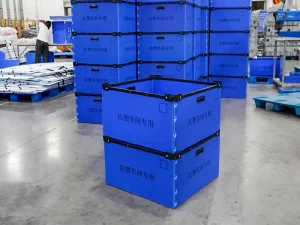
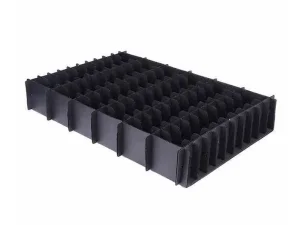
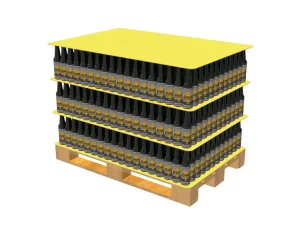
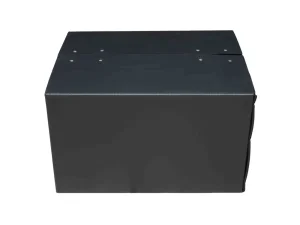
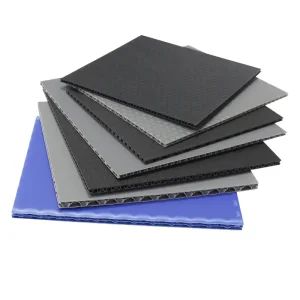
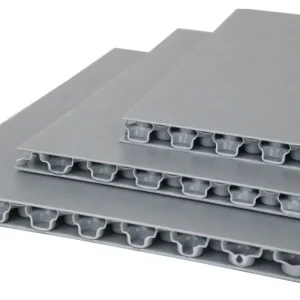
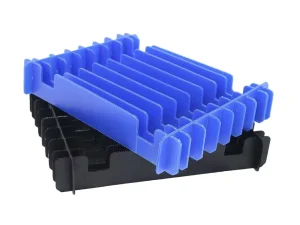
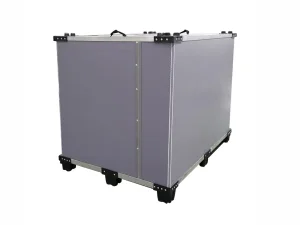
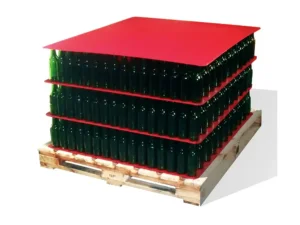
Plastic layer pads (also known as tier sheets) provide unmatched structural integrity compared to traditional paperboard. By utilizing high-density polypropylene (PP), they resist moisture, microbial growth, and structural collapse, ensuring that palletized goods—from beverage cans to automotive components—remain stable during transit.
As a leading China-based manufacturer, our supply chain advantages stem from massive vertical integration. We control the process from raw resin pelletizing to extrusion and precision die-cutting. This enables us to offer cost-efficiency without sacrificing quality, providing global buyers with competitive pricing and rapid R&D capabilities for custom dimensions.
We understand that global procurement requires strict adherence to international standards. Our products are engineered to meet FDA (Food Contact), REACH, and RoHS compliance, ensuring they are safe for pharmaceutical, food & beverage, and electronics industries worldwide. We bridge the gap between Chinese production prowess and Western regulatory requirements.
The global logistics market is moving away from single-use corrugated fiberboard toward reusable, circular plastic solutions. Plastic layer pads are at the forefront of this shift. Unlike cardboard, which deteriorates in cold or damp environments, polypropylene layer pads can be reused hundreds of times, drastically reducing TCO (Total Cost of Ownership) for large-scale warehouse operations.
A: Plastic layer pads offer superior durability, moisture resistance, and hygiene. They do not retain dust, are fully washable, and have a much higher weight-to-strength ratio, reducing product damage during shipping.
A: Yes. We specialize in OEM/ODM customization. From varying thickness (gsm) to specific corner rounding or edge sealing for clean-room applications, our R&D team can prototype and manufacture to your exact specifications.
A: With over 17 years of export experience, we manage container loading logistics to maximize space utilization. Our efficient production cycles ensure lead times remain short, even for high-volume orders, supporting global inventory requirements.
 Huiyuan Plastic