High-performance reusable transit packaging (RTP) specifically optimized for durability, heat stability, and wind load tolerance in sub-Saharan climates.
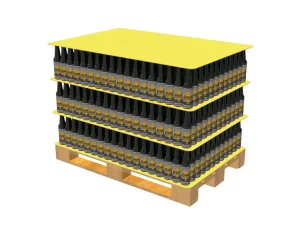
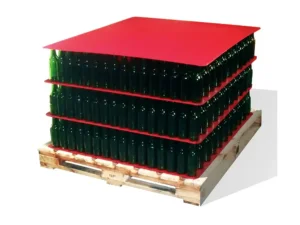
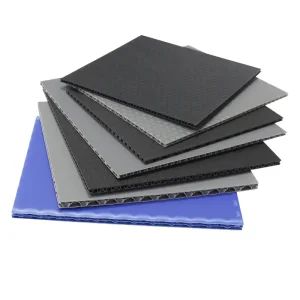
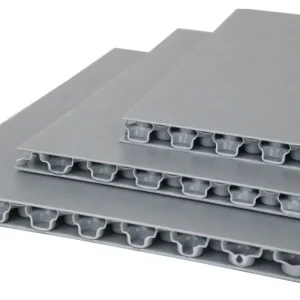
Explore our diverse portfolio of reusable transit solutions engineered to lower operational packaging overheads.
Namibia is rapidly positioning itself as the primary logistics gateway for the Southern African Development Community (SADC) region. Driven by significant infrastructure developments at the Port of Walvis Bay and a growing domestic industrial sector, the demand for sophisticated, food-safe, and resilient material handling equipment has surged. Traditional packaging methodologies, relying heavily on single-use cardboard layer pads or heavy, moisture-absorbent wooden separators, are no longer viable under modern supply chain stress indicators.
In key industrial centers such as Windhoek, Swakopmund, and Walvis Bay, beverage manufacturers, fisheries, and agricultural processors face distinct logistics challenges. The Namibian climate exposes materials to dry, intense heat interiorly and salt-laden, humid coastal airs along the marine corridors. Cardboard packaging degrades quickly in humid maritime environments and provides zero structural support against the wind profiles encountered on long-haul SADC road transport networks. Consequently, local industries are initiating a massive transition to heavy-duty, UV-stabilized Polypropylene (PP) plastic layer pads.
"Under global sustainability dictates and local economic optimization, shifting from single-use corrugated cardboard layer pads to industrial-grade polypropylene tier sheets allows Namibian manufacturers to achieve up to a 90% reduction in packaging waste and massive per-cycle cost savings."
Namibia’s robust seafood exporting sector in Walvis Bay and the premium beer production lines in Windhoek demand rigid sanitation and hygiene frameworks. Unlike traditional cardboard, which is susceptible to fungal spores, bacterial colonization, and moisture absorption, our plastic layer pads feature completely sealed edges. Utilizing high-frequency ultrasonic sealing technology, we block any ingress of liquids, dust, or micro-organisms into the cellular flutes of the sheets. This ensures strict compliance with HACCP, FDA food contact, and ISO 22000 hygiene standards, protecting critical food exports destined for European Union, Asian, and American markets.
A comparative overview mapping our PP Layer Pads against traditional cardboard and solid plastic sheets.
| Performance Parameter | HY Sealed-Edge PP Layer Pads | Standard Cardboard Tier Sheets | Solid PE Sheet Separators |
|---|---|---|---|
| Flexural Stiffness & Load Distribution | Excellent (Engineered internal flutes) | Low (Deforms under vertical weight) | Good (But extremely heavy) |
| Hygienic Security | 100% Waterproof, sealed edges (No bacteria) | High absorption (Mold risk) | Waterproof (No flutes to seal) |
| Durability & Life Span | 50 to 100+ logistics loops | Single-use (Discarded after 1 cycle) | 50 to 80 loops |
| Weight Density Impact | Low weight (900-1200 GSM), saves fuel | Extremely light (but structurally weak) | Extremely heavy (increases shipping costs) |
| Environmental Recyclability | 100% circular PP plastic recovery | Degrades rapidly, ends in landfill | Recyclable but uses high raw plastic mass |
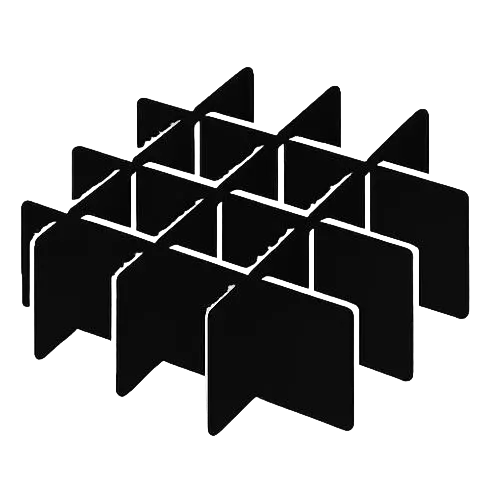
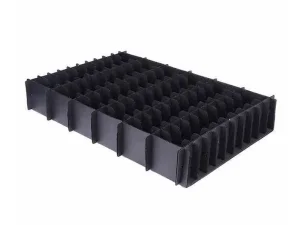
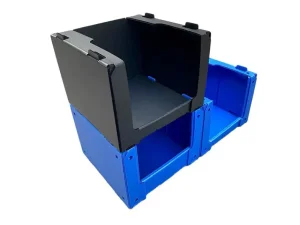
Specifically engineered partitions and heavy-duty structural cartons optimized for manufacturing hubs in Southern Africa.
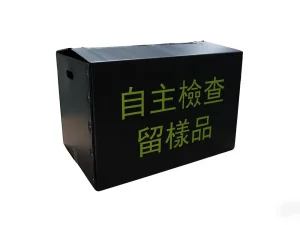
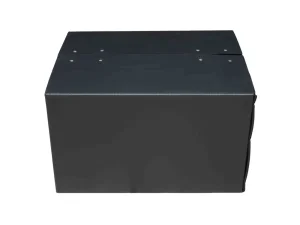
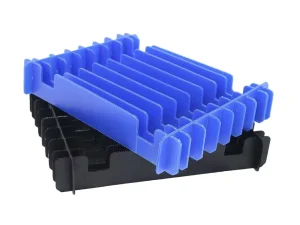
The manufacturing process at Suzhou Huiyuan Plastic Products Co., Ltd. integrates state-of-the-art co-extrusion technology with automated downstream fabrication. For high-demand applications, such as automatic glass bottle palletizing lines, edge-sealed layer pads are vital. Unsealed edges leave flutes open, creating tunnels that capture moisture, dirt, and dust. During automated high-speed washing or logistics shipping, these flutes hold bacteria. Our factory employs specialized thermal edge-sealing tooling that melts the perimeter of the PP sheets, creating a smooth, round, fully enclosed safety edge.
In addition, corner rounding prevents the sharp, square edges of PP sheets from puncturing stretch wrap films or scratching delicate products during transport. Our automated punching machinery delivers precise, consistent radiused corners. This is a critical quality control step, ensuring high-speed automatic palletizers run continuously without mechanical jams caused by irregular material profiles.
Understanding local logistical frameworks is key to ensuring stable supplies. When sourcing from China, shipping routes run from primary ports (such as Shanghai or Ningbo) directly to the Port of Walvis Bay. Transit times generally average 30 to 45 days. We coordinate complete logistics document packages, including clean Bills of Lading, certificates of origin, and comprehensive packaging declarations. This ensures seamless customs clearance under Namibia’s SACU (Southern African Customs Union) protocols, avoiding unexpected demurrage and storage fees.
Full ISO 9001 and food-safe chemical testing compliance. Our products meet SGS food safety guidelines.
Precision sizing optimized for standard SADC pallets (1200mm x 1000mm) and custom container load plans.
At the end of service life, our PP sheets can be reground and extruded into secondary logistics products, eliminating plastic waste.
From modular pallet sleeve boxes to heavy-duty picking systems, engineered to optimize high-density automated warehouses.
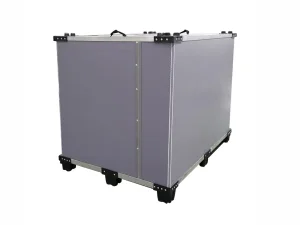
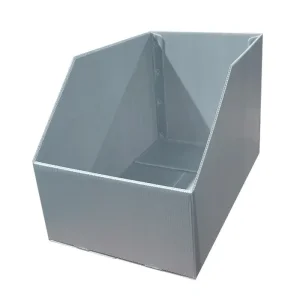
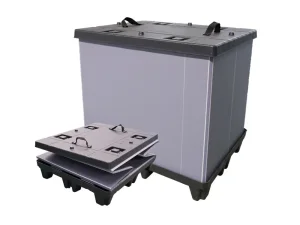
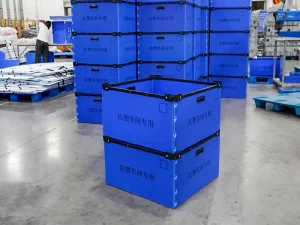
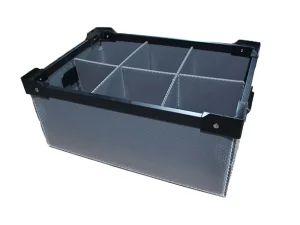
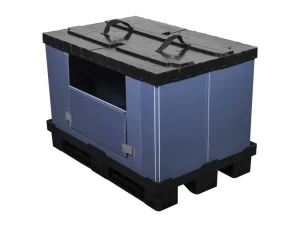
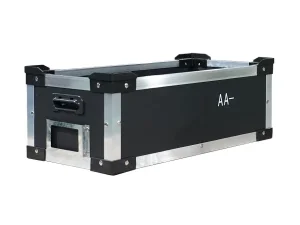
Detailed answers to standard engineering and procurement queries regarding PP plastic layer pads in SADC supply chains.
Consult with our engineering team for high-durability, food-safe plastic layer pads optimized for the Namibian industrial market.
Send Inquiry Now Huiyuan Plastic